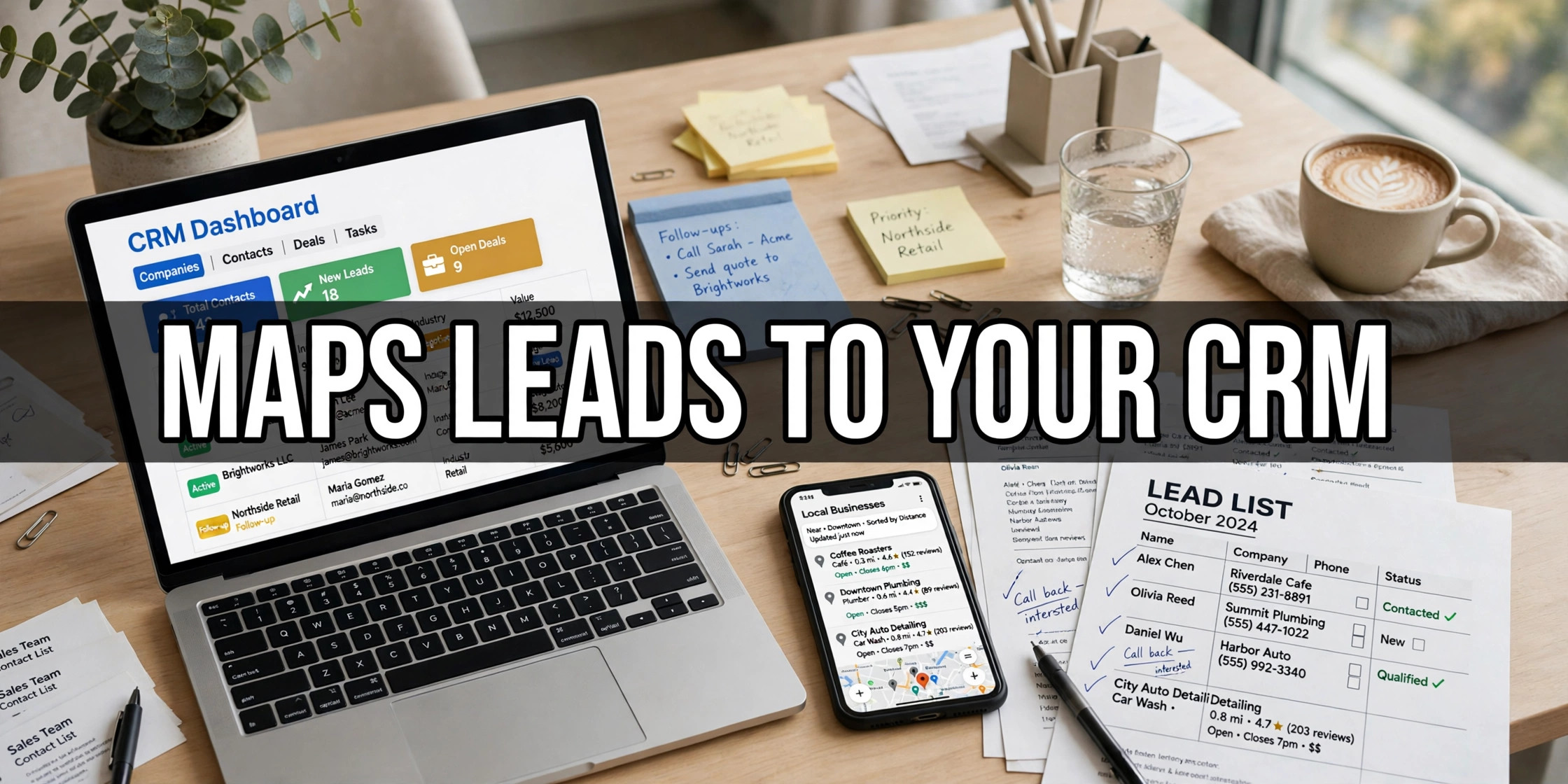

I once watched a seller pull every restaurant in a metro area into one sheet, call nobody, and then blame the list. The sheet held thousands of rows. It had no order, no angle, and no note about which places even had a website. A list only works when you know who to contact first, what to offer, and what happened on the last touch.
Short answer: a Google Maps scraper for restaurants builds a lead list by searching one cuisine in one city, pulling fields such as cuisine, menu links, reservation providers, price level, hours, phone, website, rating, and review count, then sorting by website gaps and review signals before you reach out. Every row needs a phone number, a website status, and a reason to contact that place.
What does a worked example look like in one city?
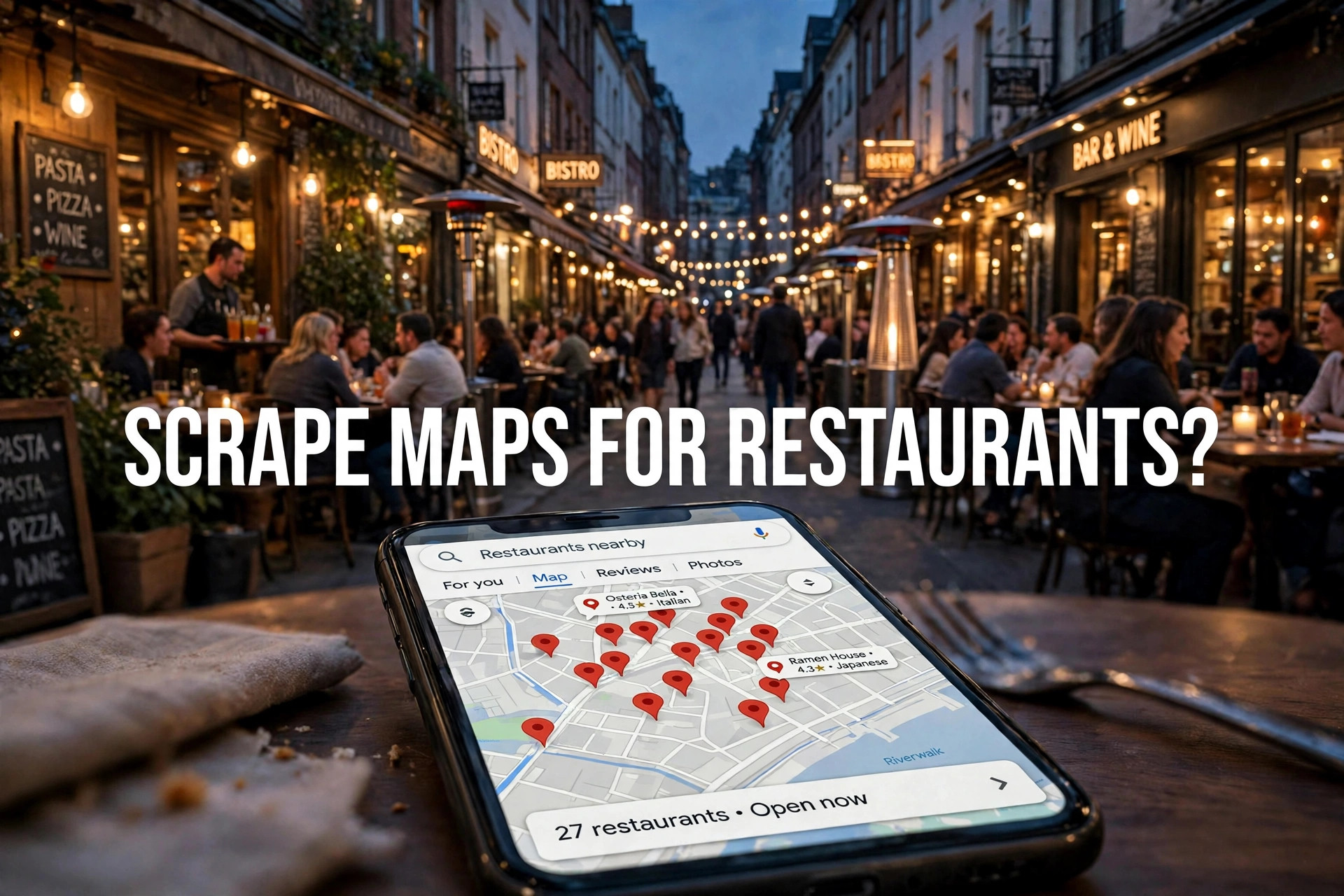
Say you sell to restaurants in Nashville. I run one search per cuisine in one city, and I keep the searches separate. A search for Italian restaurants in Nashville gives you a different list than a search for sushi restaurants in Nashville, and mixing the two in one sheet muddles the opening line.
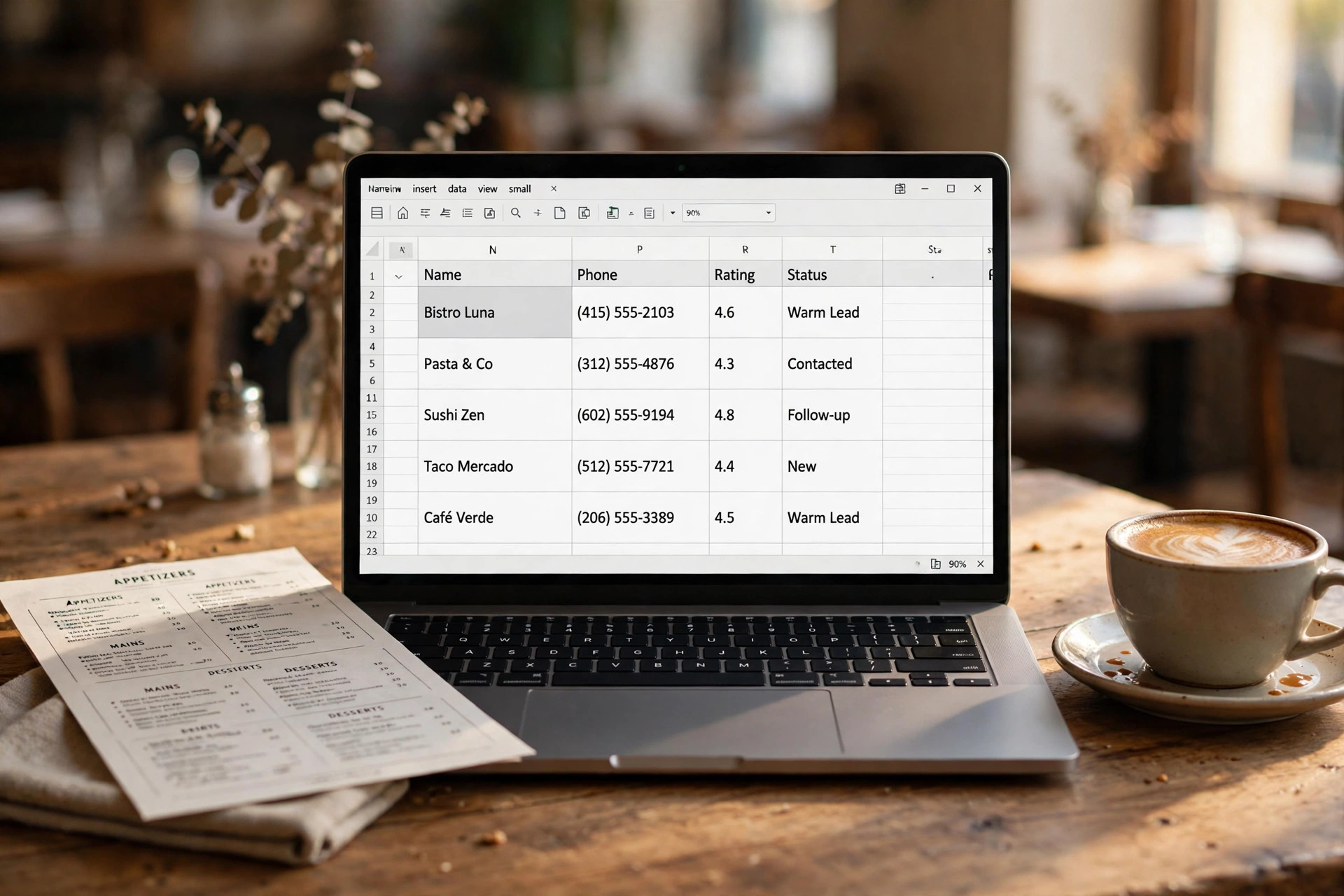
I run four searches for the example city: Italian restaurants, sushi restaurants, pizza restaurants, and cafes. I keep the city name the same across all four. I record the name, the category as Maps shows it, the phone, the website, the rating, the review count, the price level, and the hours. I add a cuisine column in my own words, because my opening line to a pizza place differs from my opening line to a sushi bar.
I do not chase every pin on the map. I set a floor before I start outreach, such as a rating of 4.0 or higher and at least ten reviews. A floor like that is a quality proxy, not a guarantee, and it only orders the work. It does not replace the call or the email.
One warning about scale: a single Maps search tops out near 120 results. Nashville holds far more restaurants than that. Scrap.io reports 1,908 restaurants in Nashville in its own LeadStal comparison, with 757 of them, about 40 percent, carrying an email, per Scrap.io. That figure is a vendor claim, not a number I pulled myself. Split by cuisine and by neighborhood, or you will keep seeing the same top 120 pins.
Which restaurant fields actually matter?
Cuisine comes first. Maps categories run deep, and one search for restaurants can return cafes, bakeries, food trucks, and bars. I scan the category column and delete rows outside the cuisine I searched for. A bakery that appears in an Italian restaurant search goes out, or it goes into a separate tab with its own label.
Menu links come next, because they tell you how a restaurant sells. A place with a menu link already thinks about online orders. A place with no menu anywhere online is a different conversation. I check the website column first, then I open the site and look for a menu page.
Reservation providers tell you who already touches the restaurant. A listing that links to a booking platform shows a place that pays for reservations. A place that takes bookings by phone only is a different prospect. I note the provider name in its own column, because it shapes the offer.
Price level and hours round out the picture. Price level, shown as dollar signs on Maps, sorts casual spots from fine dining. Hours show whether a place serves lunch, dinner, or both. Neither field closes a deal, and both help you pick the right opening line.
| Field | How I use it | What it cannot tell you |
|---|---|---|
| Cuisine | Keep only rows that match the cuisine you searched for | Whether the kitchen still serves that food |
| Menu link | Split the list into places with a menu and places without | Whether the menu drives any orders |
| Reservation provider | Note who already touches bookings before you pitch | Whether the restaurant likes that provider |
| Price level | Sort casual spots from fine dining before you write | What a table actually spends |
| Hours | Check lunch and dinner service before you call | Whether the restaurant is short staffed |
| Website | Confirm the restaurant and its menu before outreach | How fast the owner answers the phone |
| Rating and review count | Read the two together as a depth check | Whether recent reviews match older ones |
How do you separate chains from independents?
Chains and independents buy in different ways, so I split them first. A chain location usually cannot buy web design, ordering, or marketing on its own. The decision sits at head office, and the local manager can only pass a message along. An independent owner can say yes on the phone. I tag each row as chain or independent, and I work the independents first.
The tag is easy to set. I look at the business name and the website domain. A name that repeats across cities with the same domain is a chain. A name that appears once, with a domain that matches the restaurant name, is usually independent. Franchise names need a second look, because some franchise owners control local spending and others do not.
I keep chains on a separate tab, not in the bin. A chain tab still has value when you sell something a head office buys, such as a multi-location menu system. Mixing chains with independents in one queue wastes calls on managers who cannot sign, and it hides the owners who can.
Which mistakes turn a restaurant list into dead rows?
The metro sheet I described at the top failed for reasons I see again and again.
Mixing cuisines in one tab is the first trap. Italian places, sushi bars, and cafes in a single queue force you to rewrite your opening line on every call. Fix it with one tab per cuisine, and keep that split when you export.
Calling in Maps order is the second trap. Maps orders results by relevance and distance, not by sales value. Fix it by sorting each tab by website status and review signals.
Skipping the website check is the third trap, and it is the most expensive. A pitch about a missing website lands flat when the restaurant already has one. Fix it by opening the website column before you write, and noting menu and booking status on the row.
Treating a chain location like an owner is the fourth trap. A manager who cannot sign will stall the deal for weeks. Fix it by tagging chains at the start and routing them to a head-office tab with its own pitch.
Ignoring low ratings is the fifth trap. A restaurant with a 3.4 rating and 200 reviews is not a bad lead. It is a place with a visible problem and a reason to talk. Fix it by reading the recent reviews before you write.
Building one giant list is the sixth trap. A sheet of thousands of uncalled names feels like progress, and it helps nobody. Fix it by capping the first list at a size you can contact in a few sessions, then growing it cuisine by cuisine once the first list is worked.
What outreach angle works for restaurants?
Website gaps work first. Maps Harvest, in its own dedicated post on restaurant scraping, updated 2026-08-15, points to the same split: filter for restaurants with no website, then sort by rating to find the places that need the most help. An established restaurant with 50 or more reviews and no website is a warm lead for web design, SEO, and online ordering setup, per Maps Harvest.
Review volume works second. A place with hundreds of reviews and no reply to any of them has never managed its reputation. I read a handful of recent reviews, note the repeated complaint, and name it in the first message. Owners reply to a specific observation.
Low ratings work third, when you treat them as a solvable problem. A 3.4 rating with complaints about slow service or wrong orders points to operations. A seller who offers review replies, menu fixes, or ordering help can tie the offer to the complaint. I never lead with the rating number itself. I lead with the fix.
Menu and booking gaps work fourth. A place with a PDF menu from three years ago, or a place that takes bookings by phone only, has a concrete gap you can show in one sentence. I open the site, find the gap, and quote it back.
What compliance basics must you respect?
Calling rules differ by country and by state, so check the rules where you call before you start. In the United States, the national do-not-call list and state lists apply to many sales calls, and you should screen your numbers against them. Keep a record of the screen and of anyone who asks not to be called again.
Consent matters where the law requires it, and it matters as good practice everywhere else. If a restaurant gives you a mobile number for business contact, use it for that purpose. If an owner asks you to stop calling, stop. I call during normal business hours, and I never call a personal number late at night.
Two more lines I hold firm on: I never claim a client relationship I do not have, and I never present a scraped list as a permission list. A Maps listing is public business data, not consent to market to a private inbox.
Google's own terms also discourage automated access to Google Maps, and a scraper is not an official Google product. I use tools that pull public listing data and keep the use to business contact.
How does this list fit with the wider Maps workflow?
The restaurant method here pairs with the lead list guide, which covers the full build from search to sheet, and with the cold-calling list guide, which covers calling order, dedupe, and the notes column. The real estate post shows the same industry structure applied to agents and vendors. Once the list is built, the reviews guide shows how to pull the review data behind the rating signals used here.
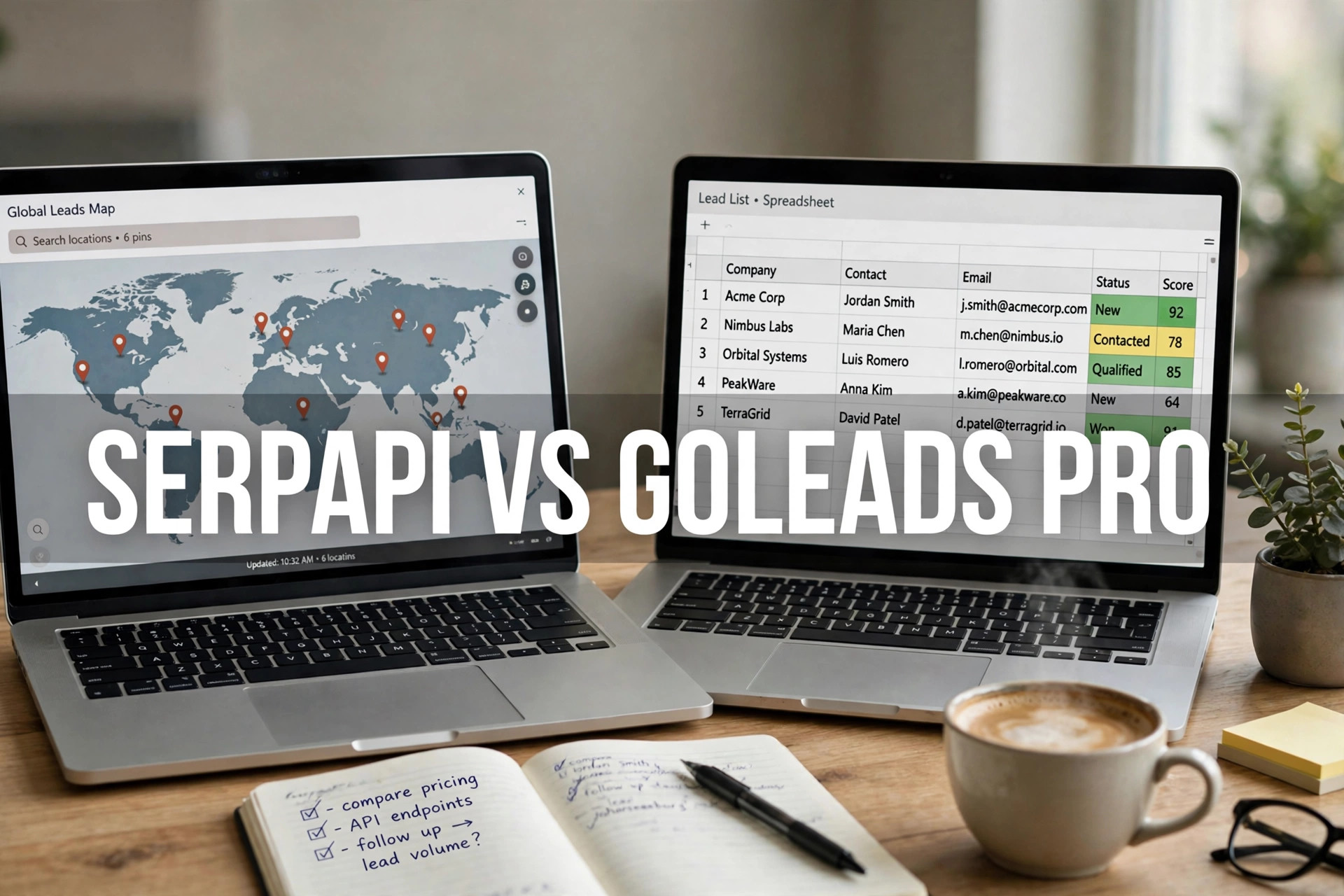
I export in CSV or XLSX so the sheet stays editable, and I keep the notes column in the same file as the numbers. The GoLeads Pro extension covers the tool itself, including the vendor-reported free tier of 50 leads a day up to 300 total with no credit card.
Checklist: build your restaurant list in one sitting
Work through these steps in order. Do not add a second city until the first list has been contacted.
- Run one search per cuisine in one city, and keep each cuisine on its own tab.
- Tag every row as chain or independent, and work the independents first.
- Check the website column, and note menu and booking status.
- Sort by website gaps and review signals, not by Maps order.
- Screen numbers against do-not-call lists and add a do-not-call column.
- Read recent reviews before you write, and name one specific gap in the first message.
- Log every outcome in notes, and cap the first list at a size you can contact in a few sessions.
Frequently asked questions
Can a Google Maps scraper build a restaurant lead list?
Yes. A scraper turns a Maps search into rows with name, phone, website, rating, review count, price level, and hours. You still need to split by cuisine, tag chains, check each website, and sort by the gap you sell to. The tool builds the list.
Which fields matter most for restaurant leads?
Cuisine, website, menu link, reservation provider, price level, hours, phone, rating, and review count. Cuisine and website status do the most work, because they split the list into places that lack a site or a menu and places that already have one. Price level and hours help you pick the right offer.
How do you find restaurants with no website?
Filter the export on an empty website field, then sort those rows by review count. Maps Harvest names this exact split in its restaurant post: an established restaurant with 50 or more reviews and no website is a warm lead for web design, SEO, and online ordering setup.
Should you target chains or independents first?
Independents first. An independent owner can say yes on the phone, while a chain location usually needs head-office approval. Tag chains in their own tab and pitch them separately when you sell something a head office buys. Mixing the two in one queue wastes calls on managers who cannot sign.
How many restaurants should your first list hold?
Start with a list you can actually contact: a few dozen places per cuisine in one city. A sheet of thousands of uncontacted names helps no one, while a list of 100 places you have called or emailed gives you real replies to learn from.
What do you say in the first message to a restaurant?
Name one specific gap you saw, in plain words. A missing website, a menu that is years old, or a repeated complaint in recent reviews all work. Say what you would fix and ask for a short call. Owners delete long pitches and generic praise, and they reply to a specific observation about their own place.
How do you use low ratings without insulting the owner?
Lead with the fix, never with the number. Read the recent reviews, find the repeated complaint, and name the change you would make. A 3.4 rating with complaints about slow service points to operations, and an offer tied to that complaint reads as help.
Is scraping restaurant listings from Google Maps legal?
Maps listings are public business data, and many sellers use them for outreach, but the rules differ by country and by state, and Google's terms discourage automated access to Maps. Check the rules where you call and email, screen numbers against do-not-call lists, and honor every opt-out. When in doubt, ask a lawyer.
Run the four searches for your city, tag the chains, check the websites, and contact from the top of each tab. Get the GoLeads Pro extension and start from the cuisine you already picked.